Tree pruning in Knightsbridge
Keeping trees healthy, attractive, and safe in a place like Knightsbridge takes more than a quick trim. Mature street trees, elegant garden specimens, courtyard planting, and larger estate trees all need careful attention from people who understand how to work in a busy, high-value, and tightly managed part of London. Tree pruning in Knightsbridge is not just about making trees look neat. It is about protecting structure, encouraging healthy growth, managing light, improving safety, and helping trees fit well within the character of the property and the neighbourhood.
Whether you manage a private residence, a townhouse garden, a hotel courtyard, a commercial frontage, a managed estate, or a shared communal space, the right pruning approach can make a noticeable difference. In an area where access can be narrow, parking is limited, and neighbouring properties are close by, a local team can plan the work carefully, minimise disruption, and carry out the job with the right equipment and attention to detail.
If you are looking for a reliable service for tree pruning Knightsbridge residents and property managers can trust, it helps to choose a team that understands both arboricultural best practice and the practical realities of working locally. Request a free quote and arrange a site visit when you are ready to move forward.
Why pruning matters in Knightsbridge
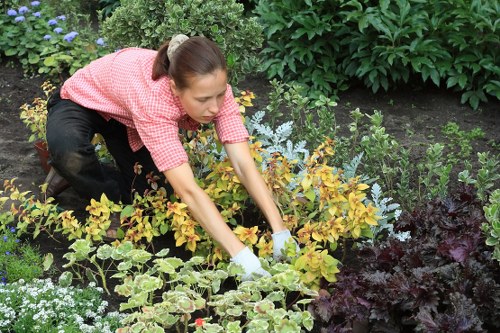
In a neighbourhood known for refined architecture, landscaped gardens, and carefully maintained exterior spaces, trees often play a bigger role than people first realise. They provide privacy, soften hard landscaping, support biodiversity, and add value to the appearance of a property. Yet if trees are left unpruned for too long, they can become crowded, heavy, unbalanced, or prone to problems caused by rubbing branches, weak unions, or poor airflow.
Good pruning supports a tree’s long-term health. It can remove dead, damaged, diseased, or crossing branches; improve shape; reduce weight where necessary; and allow more light into gardens, windows, terraces, and internal spaces. For many local properties, that balance matters. You may want to preserve a mature tree while reducing overhang, opening up a view, or preventing branches from interfering with roofs, gutters, walls, or neighbouring boundaries.
In Knightsbridge, where many trees are part of established private gardens or shared settings, pruning also needs to respect the surroundings. That means keeping disruption down, protecting paving and planting, and choosing the right method for the tree species, age, and condition. A well-planned service helps the tree remain attractive without losing its natural form. Careful pruning is often the difference between a tree that thrives and one that struggles.
What tree pruning can achieve

Every tree is different, and pruning should always be based on the tree’s condition and the outcome you want to achieve. For some customers, the main priority is safety. For others, it is aesthetics, light levels, or encouraging a stronger structure in younger trees. In many cases, pruning serves several purposes at once.
Typical goals of tree pruning include:
- Removing dead, diseased, or broken branches
- Reducing excessive weight in selected limbs
- Improving clearance above footpaths, driveways, roofs, and boundaries
- Opening up light for gardens, windows, or commercial spaces
- Balancing a tree’s shape for a cleaner, more attractive appearance
- Supporting younger trees with formative pruning
- Reducing the risk of branch failure during windy weather
- Maintaining sightlines and access around driveways and entrances
Not every tree needs the same style of pruning. Some benefit from crown thinning, where selected branches are removed to reduce density and allow light and air to move through the canopy. Others need crown lifting, which raises the canopy to improve clearance beneath. In some situations, a crown reduction may be the best approach, carefully shortening branch length while preserving the tree’s natural shape as much as possible. The right method depends on the tree, the site, and your objectives.
Local properties and the practical realities of working in Knightsbridge

Knightsbridge includes a wide mix of property types, from elegant mansion blocks and mews houses to terraces, embassies, luxury apartments, boutique hotels, and commercial premises. Each setting brings its own challenges. A garden tree in a private courtyard may need quiet, compact equipment and careful debris removal. A frontage tree near a busy pavement may require extra planning for public safety and access. Shared properties often need clear communication so that residents, managers, or caretakers know what is happening and when.
Access can also be a major factor. Narrow roads, restricted parking, basement entrances, gated access, and tight side passages can all affect how pruning work is carried out. Local knowledge is useful because a team familiar with the area is more likely to plan logistics sensibly, bring the right tools, and avoid unnecessary delays. That can matter just as much as the pruning itself, especially where disruption must be kept to a minimum.
For commercial customers, presentation is often important. Trees outside a hotel, showroom, office, restaurant, or retail frontage can shape first impressions. Pruning may be needed to keep the space tidy, maintain light into the building, or reduce leaf and branch interference around entrances. Tree pruning in Knightsbridge should therefore be viewed as part of overall property care, not just routine maintenance.
Types of pruning services available
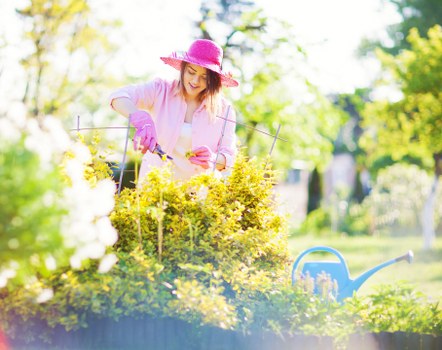
Different trees and objectives call for different approaches. A professional service should be able to explain what is recommended and why, rather than offering a one-size-fits-all solution. Common pruning services include:
Crown thinning
Crown thinning removes selected internal branches to reduce density without changing the overall size too much. It is useful for letting more light through the canopy and reducing wind resistance. In residential gardens where shade is welcome but excessive darkness is not, this can be a practical option.
Crown reduction
Crown reduction is used when a tree has become too large for its location or when branches are putting pressure on surrounding structures. The aim is to reduce the height and spread carefully, keeping the tree in proportion and avoiding harsh cuts that can lead to stress or an untidy result.
Crown lifting
Crown lifting removes lower branches to create clearance beneath the canopy. This is often useful for access along paths, driveways, or entrances, and can also improve views and access to light.
Formative pruning
Younger trees often benefit from formative pruning to help establish a healthy structure early on. This can prevent future problems, such as weak branch unions, awkward growth patterns, or poor spacing between limbs.
Deadwood removal
Removing deadwood improves safety and tidiness. It can also help identify underlying issues in the tree, allowing the work to be done before a small problem becomes a bigger concern.
Depending on the site, pruning may be combined with hedge trimming, light tree reshaping, or selective removal of branches that interfere with buildings, signage, or neighbouring plants. The best approach always starts with an assessment of the tree’s species, condition, and location.
How a local tree pruning service works

A well-run local service should feel straightforward from the first enquiry to the final tidy-up. While every property is different, the usual process follows a sensible sequence that keeps the work efficient and the outcome clear.
- Initial enquiry – You describe the tree or trees, the location, and the problem you want to solve.
- Site assessment – A tree professional reviews the tree’s size, condition, access, and surroundings before recommending the right pruning method.
- Quoted scope – You receive a clear outline of the work so you know what is included before the job begins.
- Scheduling – A suitable time is arranged, taking account of property access, neighbours, and any site restrictions.
- Pruning work – The tree is pruned carefully using appropriate techniques, with attention to safety and appearance.
- Clear-up – Branches, twigs, and debris are removed from the work area so the site is left tidy.
- Aftercare advice – You may be advised on watering, monitoring, or the best time for the next inspection.
For many customers, the most reassuring part is knowing that the job is being handled methodically. A local service should be able to adapt to the site, protect nearby surfaces and planting, and work with minimal disturbance. If access is tight or parking is limited, planning becomes even more important. Good pruning is as much about preparation as it is about cutting.
What is included in a professional pruning service?
When customers enquire about pruning, they often want to know exactly what will happen on the day. While every quotation depends on the tree and the setting, a professional service commonly includes the following:
- Assessment of the tree’s condition and structure
- Selection of suitable pruning cuts based on the tree’s needs
- Removal of dead, damaged, or problematic branches
- Reduction, thinning, lifting, or formative pruning as agreed
- Safe handling of branches and arisings
- Clear-up of debris from the work area
- Advice on future maintenance or further inspections
Some customers also need additional support where trees are close to walls, boundaries, utility lines, or sensitive landscaping. In those cases, careful planning and controlled working methods are especially important. If the tree is large or the site is complex, it may also be sensible to arrange the work in stages, particularly where access or neighbour coordination matters.
For local owners of period homes, managed estates, and commercial premises, a tidy finish matters. The aim is not only to prune the tree but to ensure the whole area is left ready for use again. That includes making sure the garden, courtyard, or frontage looks clean and orderly after the work is complete.
Benefits of choosing a Knightsbridge-based team
There are clear advantages to working with a team that understands Knightsbridge and the surrounding central London area. Tree work here often involves timing, access, and discretion as much as technical skill. A local company is more likely to understand how to plan around busy streets, resident parking controls, and the particular expectations of high-end residential and commercial clients.
Benefits can include:
- Better understanding of local property layouts and access routes
- More practical planning for parking, loading, and equipment transport
- Familiarity with nearby areas such as Belgravia, Chelsea, South Kensington, and Hyde Park
- Quieter, more discreet working methods where needed
- More efficient scheduling for managed buildings and shared spaces
- Useful knowledge of typical tree species seen in central London gardens and streets
Local relevance matters because pruning is not carried out in a vacuum. It happens around residents, staff, visitors, and neighbours. A service that already understands the area can reduce friction and make the whole process more comfortable for everyone involved. That is especially valuable in a district where presentation and careful management are important.
Residential tree pruning for homes and gardens
Homeowners in Knightsbridge often want pruning that preserves privacy, protects light, and keeps trees looking elegant rather than overworked. In a townhouse garden or courtyard, a tree may need shaping to avoid taking over the whole space. In a mews house or private garden, it may need careful crown thinning to let daylight reach surrounding planting and living spaces. Mature trees can be valuable features, but only if they are maintained with sensitivity.
Residential pruning may be requested for several reasons:
- Branches overhanging a lawn, patio, or roof
- Shading that is making a garden too dark
- Branches touching windows or balconies
- Dead or damaged limbs that create worry in windy weather
- Tree growth affecting neighbours or boundary lines
- Improving the shape of ornamental or specimen trees
It is usually best to avoid heavy or indiscriminate cutting. Trees respond better when pruning is thoughtful and proportionate. If you are not sure how much should be removed, a professional assessment can help you make the right decision. For many homeowners, that conversation is the first step toward better light, improved safety, and a garden that feels more usable.
Commercial and managed property tree care
Commercial customers have different priorities. A hotel, office, retail unit, or managed residential building may need pruning to support branding, access, safety, and site presentation. Trees that are too dense may block windows, reduce natural light, or interfere with foot traffic. Those near entrances can also need lifting to keep signs, canopies, and walkways clear.
For property managers and building supervisors, the most useful service is one that runs to plan and causes minimal disruption. That may mean working at specific times, coordinating with concierge or facilities staff, and ensuring routes remain clear for staff and visitors. In central London, where space is at a premium, this level of organisation can be essential.
Tree pruning in Knightsbridge for commercial sites should always be approached with awareness of both the tree and the client’s operational needs. A good service will protect the appearance of the building while also looking after the long-term condition of the tree. That balance is especially important where outdoor planting contributes to the overall character of the premises.
Pricing factors: what affects the cost?
Customers often want to know what influences the price of pruning. While exact figures depend on a site visit and the scope of the work, several practical factors usually shape the quotation.
- Tree size and height – Larger trees generally require more time, equipment, and labour.
- Species and condition – Some species are easier to prune than others, and poor condition may require extra care.
- Access – Tight access, limited parking, or difficult loading can increase the complexity of the job.
- Amount of material – More branches and debris usually mean more time for handling and clear-up.
- Location near buildings or boundaries – Extra precision may be needed where trees are close to walls, windows, or neighbouring gardens.
- Urgency or timing – Specific scheduling needs may affect how the work is arranged.
It is worth remembering that the cheapest option is not always the best value. Careful pruning helps reduce future problems and protects the tree’s health. A clear, properly scoped quotation is often more useful than an estimate that overlooks the real conditions on site. If you need several trees pruned, grouping the work together may also make planning easier.
Preparation checklist before your pruning visit
Preparing the site does not need to be complicated, but a little planning helps the work go smoothly. If you are arranging pruning for a home, garden, or business, the following checklist can be useful:
- Make sure access gates, driveways, or entrances are unlocked or available at the agreed time.
- Move vehicles if they might block access to the tree or work area.
- Remove fragile garden items, cushions, ornaments, or furniture from beneath the tree if possible.
- Tell neighbours, tenants, or staff if the work may affect shared areas.
- Check whether any permission or building management requirements apply before the visit.
- Point out any underground features, delicate planting, or known site concerns.
- Let the team know if there are time restrictions, loading limits, or security procedures.
These small steps can save time and reduce the risk of accidental damage. They also help the pruning team focus on the tree itself instead of navigating avoidable obstacles. Where a site is especially tight, it can be helpful to discuss the likely setup in advance so everyone knows what to expect.
If you are preparing for a pruning job in Knightsbridge, a brief conversation before the visit can make the whole experience much easier.
When is the best time to prune trees?
The best timing depends on the tree species, the reason for pruning, and the condition of the tree. Some trees are best pruned during dormancy, while others can be pruned at other times of year with care. Fruit trees, ornamental trees, and mature shade trees may each have different needs. In some situations, timing also depends on nesting activity, site access, or the need to avoid disruption to residents and visitors.
Rather than using a fixed rule for every tree, it is better to consider the aim of the work. For example, formative pruning may be more effective when a tree is young and still establishing shape. Deadwood removal can often be carried out when necessary for safety. More substantial reductions should be planned at a time that supports the tree’s recovery and fits the wider site conditions.
Seasonal conditions in central London can also influence how the work is scheduled. Rain, wind, ground conditions, and visibility all matter. A professional team should be able to advise when the timing is suitable and whether it would be better to postpone until conditions improve.
Safety, care, and responsible pruning
Responsible pruning is about more than appearance. Poorly executed cuts can damage a tree, encourage weak regrowth, or leave it vulnerable to disease. That is why it is important to work with people who understand pruning techniques and the way trees respond to being cut. Clean cuts, sensible branch selection, and respect for the tree’s natural structure all contribute to a better outcome.
Safety matters too. Trees near roads, pavements, terraces, and adjacent buildings need a controlled approach. Branches should be handled carefully, work areas should be kept orderly, and any hazards should be anticipated before the pruning begins. In a district like Knightsbridge, where there may be pedestrians, residents, staff, and visitors nearby, this disciplined approach is especially important.
If a tree appears unstable, has extensive decay, or is showing signs of serious structural problems, pruning may not be the only option. In those cases, an experienced arboricultural assessment can help you decide whether selective pruning, further inspection, or another form of tree care is the right next step. Always choose the least disruptive solution that still addresses the issue properly.
Areas covered around Knightsbridge
A local team serving Knightsbridge typically also works across nearby central and west London locations, particularly where similar property types and access conditions apply. This is useful for households, managing agents, and businesses with multiple sites.
Common nearby areas may include:
- Belgravia
- South Kensington
- Chelsea
- Hyde Park
- Mayfair
- Westminster
- Earls Court
- Brompton
If your property sits close to the border of these districts, a local provider can often arrange practical scheduling and site access with less fuss. The same careful standards should apply whether the work is for a private garden, a residential block, or a commercial frontage.
Frequently asked questions
How often should trees be pruned?
It depends on the species, age, location, and how quickly the tree grows. Some trees may only need attention every few years, while others benefit from more regular light maintenance.
Will pruning damage my tree?
When done correctly, pruning supports health and structure rather than harming the tree. Problems usually arise when too much is removed at once or cuts are made carelessly.
Can pruning help if a tree is blocking light?
Yes. Crown thinning, lifting, or a carefully planned reduction can often improve daylight without making the tree look stripped back or unnatural.
What if my tree is close to a building or boundary?
That is a common reason for pruning in Knightsbridge. The work can be planned carefully to create safe clearance while preserving the tree’s shape and value.
Do I need to be on site during the work?
Not always, but it is often helpful at the start of the visit so any access points, concerns, or preferences can be confirmed.
Can you prune several trees in one visit?
Yes, and many customers prefer this approach when they have multiple trees or a mix of pruning and minor tree care needs.
How do I know which pruning method I need?
A site assessment is the best way to decide. The right method depends on the tree’s condition, the space around it, and what you want to achieve.
Why customers choose a local service for tree pruning Knightsbridge
Choosing a local company gives you practical advantages from the start. You are more likely to get sensible planning, realistic scheduling, and a team that understands the constraints of central London properties. That matters when trees are close to buildings, when access is limited, or when the surrounding environment requires extra care.
It also helps when the service is customer-focused. A good provider should explain the pruning options clearly, answer questions in plain language, and help you understand what to expect before work begins. That can be reassuring whether you are arranging a one-off visit or planning ongoing maintenance for a larger property portfolio.
For many local customers, the real benefit is peace of mind. You want the trees to look good, stay healthy, and remain suitable for the site. You also want the work completed efficiently, tidily, and respectfully. That is exactly why experienced tree pruning in Knightsbridge is worth arranging with a team that knows the area and understands the standards expected here. Contact us today if you are ready to discuss your trees or arrange a visit.
Book your tree pruning service now
If your tree is overgrown, shading too much of the garden, reaching toward a building, or simply due for maintenance, now is a good time to take action. Pruning performed at the right time and in the right way can improve the look of your property, reduce risk, and support long-term tree health.
Whether you need work for a private home, a managed block, a commercial frontage, or a more complex site, a local team can help you plan the right approach. Request a free quote and find out what is involved before you make any commitment. If you are looking for practical advice, a clear scope of work, and a tidy finish, book your service now and get the process underway.
Tree care in Knightsbridge should be thoughtful, efficient, and suited to the setting. With the right pruning approach, your trees can continue to add beauty, privacy, and value while fitting comfortably within the space they grow in.